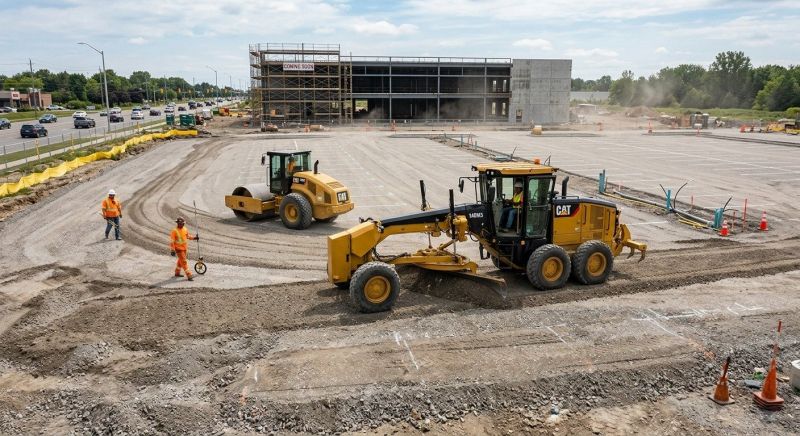
Parking Lot Excavation in Utah County, UT
Parking lot excavation services involve the removal of soil, debris, or existing pavement to prepare a site for new paving or construction. This service is commonly used for projects such as building new driveways, expanding existing parking areas, or creating foundations for commercial or residential parking lots. Property owners should consider the scope of excavation needed, including the size of the area and any existing underground utilities or drainage systems, to ensure the project proceeds smoothly and safely.
Homeowners and property owners typically request parking lot excavation when planning to improve or expand their property’s parking capacity or to address drainage issues. It’s important to understand the site’s grading requirements and any potential obstacles that could affect excavation work before requesting services. Proper planning can help ensure the foundation is stable and the finished surface is level, providing a durable and functional parking area.
Many property owners in Utah County, UT look into Parking Lot Excavation for repairs, replacements, upgrades, and appearance-related improvements.
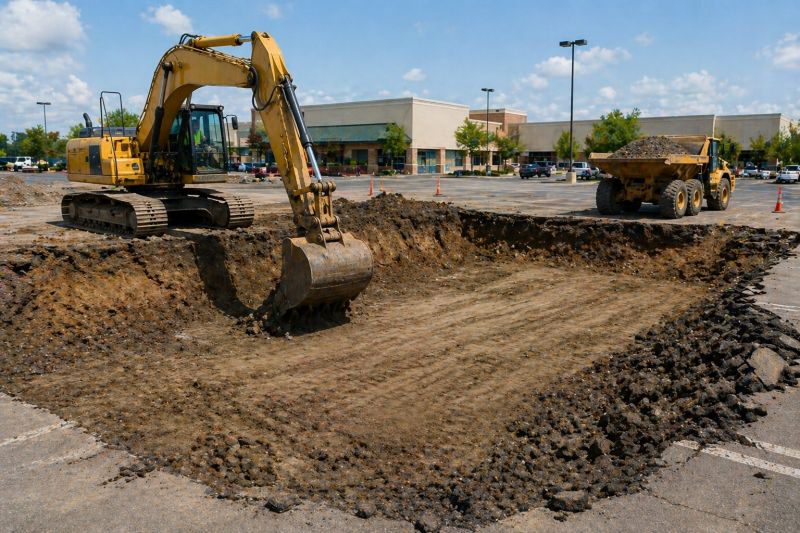
Site Preparation And Grading
Proper excavation ensures a stable foundation for parking lots and driveways in utah county.
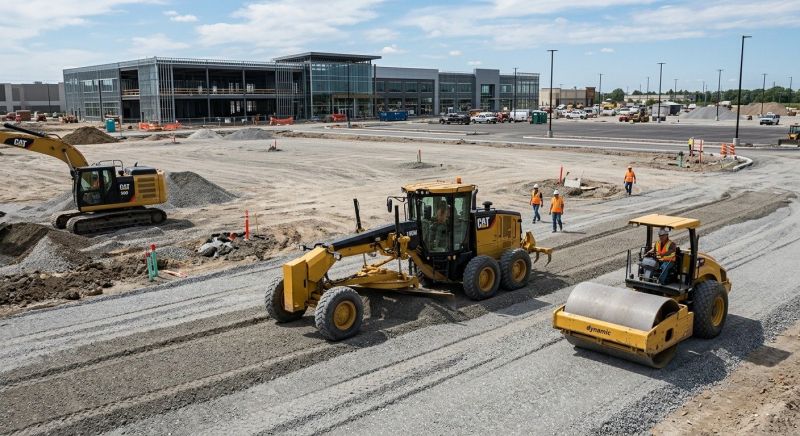
Foundation Removal And Replacement
Removing old concrete or asphalt prepares the area for new paving and improves durability.
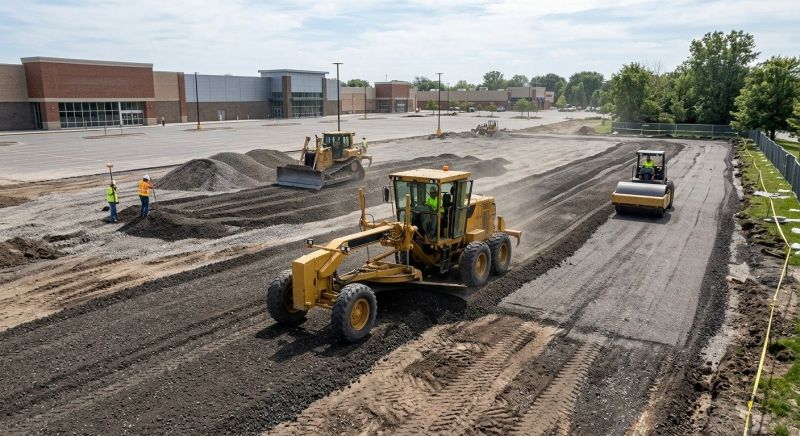
Drainage And Slope Optimization
Excavation helps create effective drainage solutions to prevent water pooling and erosion on your property.
Parking Lot Excavation in Utah County, UT
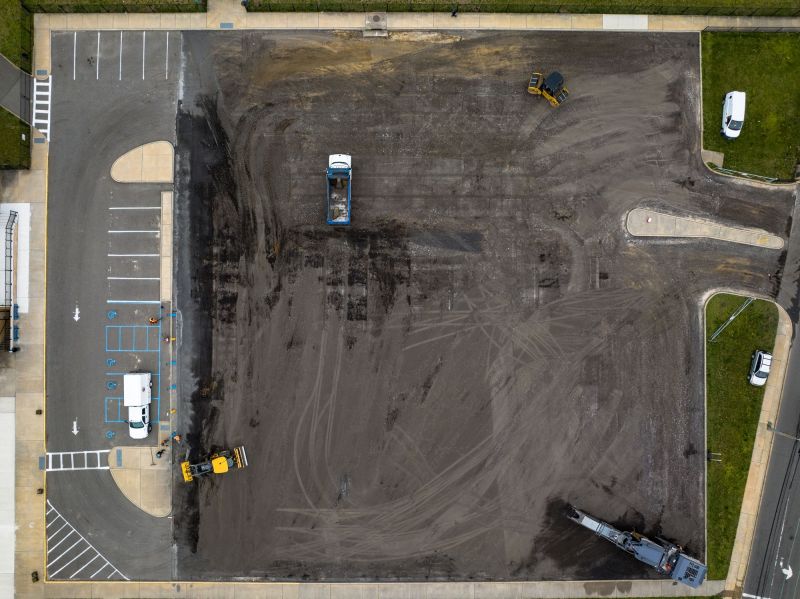
Parking lot excavation services involve the removal of soil, debris, or existing pavement to prepare a site for new paving or construction. This service is commonly used for projects such as building new driveways, expanding existing parking areas, or creating foundations for commercial or residential parking lots. Property owners should consider the scope of excavation needed, including the size of the area and any existing underground utilities or drainage systems, to ensure the project proceeds smoothly and safely.
Homeowners and property owners typically request parking lot excavation when planning to improve or expand their property’s parking capacity or to address drainage issues. It’s important to understand the site’s grading requirements and any potential obstacles that could affect excavation work before requesting services. Proper planning can help ensure the foundation is stable and the finished surface is level, providing a durable and functional parking area.
Many property owners in Utah County, UT look into Parking Lot Excavation for repairs, replacements, upgrades, and appearance-related improvements.
Common Parking Lot Excavation Jobs
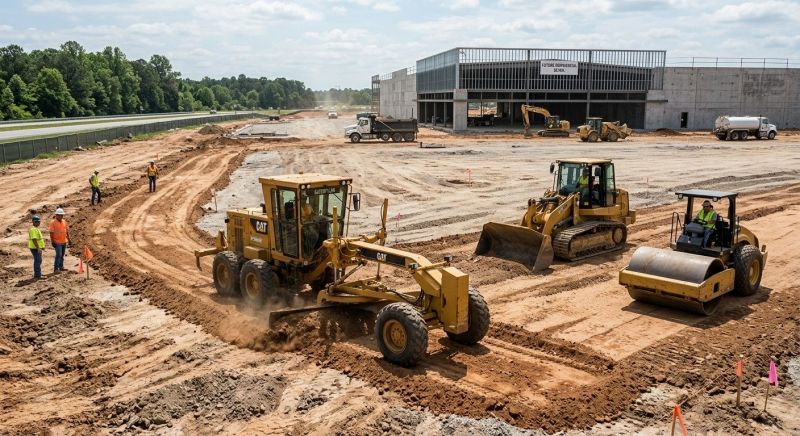
Parking lot excavation involves removing soil and debris to prepare the area for paving or surfacing.
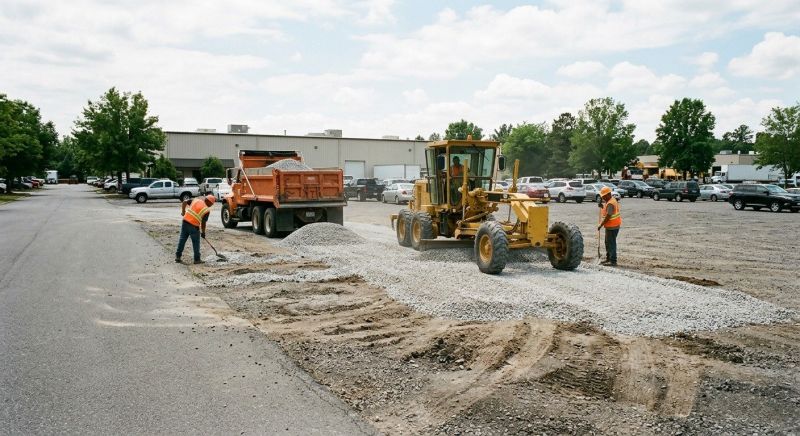
Driveway excavation creates a stable base for new or replacement driveways.
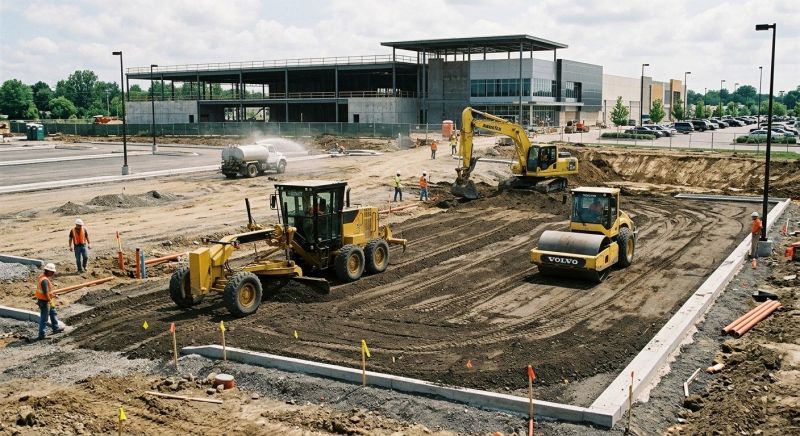
Commercial parking lot prep includes grading and soil removal for large-scale projects.
Site clearing and leveling ensure a flat, even surface for parking structures.
Subgrade preparation improves drainage and stability for long-lasting pavement.
Utility trenching and excavation involves digging for underground lines within parking areas.
Parking Lot Excavation Questions
What is parking lot excavation? It involves removing soil and debris to prepare a site for new paving or construction of a parking area.
What types of projects require parking lot excavation? Projects include creating new parking lots, enlarging existing ones, or repairing damaged surfaces.
Why is proper excavation important? Proper excavation ensures a stable foundation, prevents future settling, and extends the lifespan of the parking area.
What should property owners consider before excavation? It's important to assess site conditions, drainage needs, and any underground utilities before starting work.
Request Parking Lot Excavation in Utah County, UT
Use the quote form on this page to share the basics of your project and request more information for the type of work you need.